
How to move a screen printing shop: rent vs. buy and a move plan that limits downtime
Originally published 2023 · Updated 2026
Moving a screen printing shop means relocating presses, dryers, the screen room, blanks, and finished orders to a new building without letting due dates slip. Before you move, check whether you really need to. Sometimes adjustments like adding another shift, making better use of your current space, or outsourcing overflow to a contract printer can buy time while you decide on a long-term plan.
If you do need to move, decide whether to rent or buy, plan the new floor layout around your workflow, confirm power and plumbing before you sign, and run the move during your slowest weeks, keeping one production line running. Tell customers early so nobody is surprised by a new pickup address.
This guide covers when to move, renting versus buying, choosing the right space, and a step-by-step move plan. Printavo is built for apparel decorators: screen printers, embroiderers, and DTG and DTF shops.
When should a screen printing shop move?
Here’s why you should ensure you actually need to move into a new building: a bigger building adds rent, utilities, and time spent walking between stations. If presses sit idle because there’s no room to stage jobs, or you’re turning down work you can’t fit, it’s time. In short, you should be moving into a new space because you need it to keep running your business.
I Moved My Screen Print Shop Successfully
Early on, I didn’t know much about screen printing. I’d just bought into Campus Ink as a 24-year-old.
So why would you want to hear from me? Campus Ink started as Campus Sportswear in 1947. They have printed on the second floor of a building with just two thousand square feet of space ever since. More recently, we opened a new retail location. The 12,000-square-foot production facility we added is pretty nice, too.
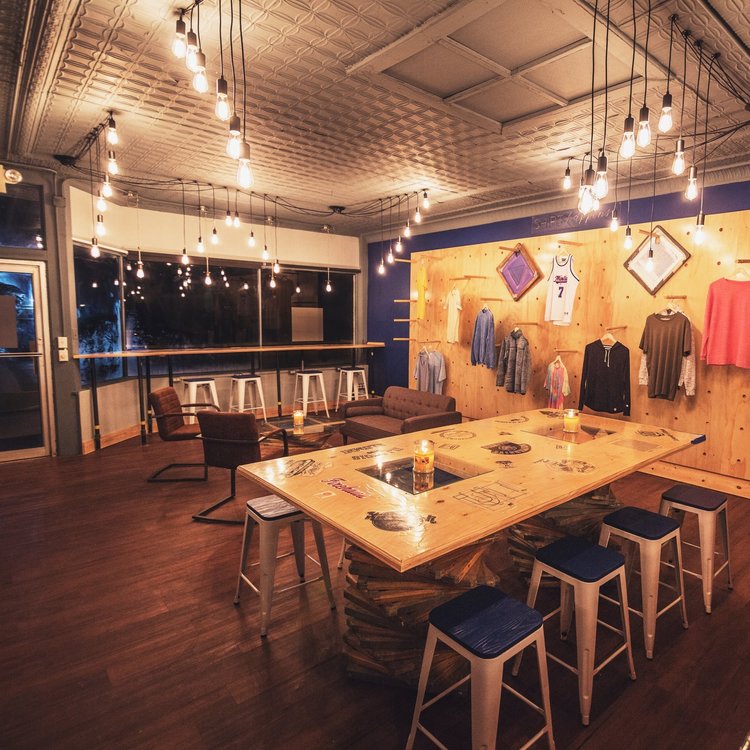
Campus Ink has a lot to be thankful for. Its success came from its proximity to the University of Illinois Urbana-Champaign. At the time, it was owned by two 55-year-olds. They were hardened veterans of the screen print industry. I daydreamed about modernizing the business while I learned the basics during a challenging year of climbing the learning curve.
Once I’d earned their trust, we took our workflow into the digital age. Because of our ability to build amazing customer relationships and consistently deliver great products, we outgrew our old space. I wanted to move as soon as I bought in: buy the fancy equipment, get the nicest warehouse, take out big loans and just go from there. Luckily, the wisdom of experience told my co-owners to wait.
Good advice likely saved our business from my youthful desire to move fast and break things:
Buy in cash, don’t take on debt, grow until you absolutely have to move.
Should a print shop rent or buy its building?
| Renting | Buying | |
|---|---|---|
| Upfront cost | Deposit and first month | Down payment, closing costs |
| Monthly cost | Rent, often rising at renewal | Mortgage, taxes, insurance, maintenance |
| Flexibility | Easier to move again as you grow | Harder to leave; you can lease out extra space |
| Repairs | Landlord handles most | You handle all costs and repairs |
| Upside | Lower upfront risk | Builds long-term equity |
| Risk | Property owner controls all terms | Property and debt risk on top of the business |
Renting suits shops that are still growing fast or are unsure of their long-term footprint. Buying suits stable shops with strong cash flow that want to build equity, and it’s worth talking to an accountant and a commercial real estate agent first.
What should you check before choosing a new space?
- Floor plan: sketch the layout with real equipment measurements, following the order of work: receiving, screen room, presses, dryer, folding and packing, then pickup or shipping.
- Business plan: size the space for the presses and staff you plan to add in the next few years, not just today.
- Electricity: confirm the service and circuits your dryers, flash units, and automatic presses need, including three-phase power if any equipment requires it. Have an electrician check before you sign.
- Plumbing: the screen room needs water and a washout area that complies with local disposal rules.
- Moving equipment: get quotes from riggers or equipment movers for heavy presses and dryers.
How do you keep orders moving during a shop move?
- Pick a move window during your slowest weeks and avoid rush orders during that time
- Finish or reschedule every job due during the move before the first press comes apart
- Move and reconnect one production line first, so you can print while the rest is moved
- Book electricians, plumbers, and equipment movers early
- Test utilities like power, air, and water before move day
- Run a test job on every press and dryer before taking new orders
Cost of downtime = days without production × average daily gross profit
Illustrative example: four days down at $1,500 of average daily gross profit is $6,000, which is worth weighing against the cost of a weekend move.
Why should I hire a pro for print shop plumbing and electric?
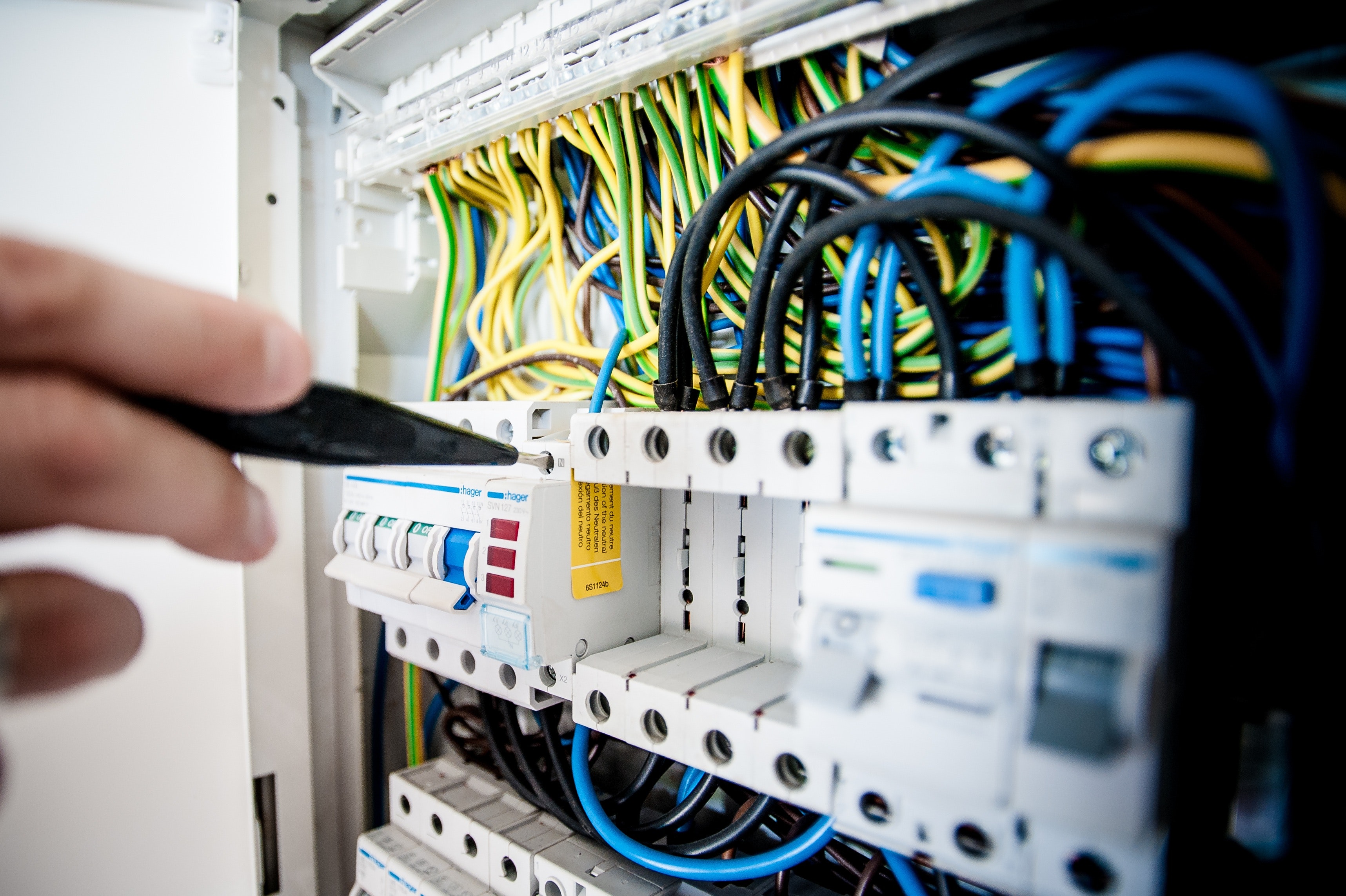
Print shops have specific needs for plumbing (for waste disposal and screen washing) and electricity (for high-energy dryers and flash units).
Ask an expert for help if you’re not 100% sure about what you need.
The wrong electric hook-ups will ruin your move.
You must have “3-phase power” in your screen print shop to be able to use things like:
- Automatic presses
- Conveyor dryers
- Flash units
- Exposure units
- HVAC systems
- Computers and other accessories
Most commercial spaces have 3-phase power.
If you’re in a rural area or moving into an older building, ensure that there’s existing 3-phase power.
Many light industrial buildings have existing “power drops.” Outlets must be in the right places. Budget for an electrician to add new breakers or perform other modifications before you move into the building.
Installing 3-phase power in a building is very expensive. That’s why you want to be 100% sure you have the right electricity before you move your print shop.
For plumbing, carefully consider whether the building has:
- Water in the right location: Faucets, sinks, and water sources should be positioned correctly. Workers shouldn’t travel across the shop repeatedly to access water.
- Suitable plumbing updates: New plumbing and fixtures are very expensive.
- Direct sewer access: Do not fill a septic tank with ink, emulsion, and other waste from washing and coating screens. Direct sewer access is required.
Good plumbing helps protect the health and well-being of your employees, your local community, and the environment.
Check local chemical regulations
Read and understand the MSDS requirements and local regulations for every chemical involved in your process. Safe handling and disposal are essential.
Many chemicals used in the screen printing industry are drain safe. A properly outfitted filtration system for your washout booth reduces the risk of damaging your plumbing or violating the law.
Uncured plastisol ink contains unpolymerized vinyl chloride, a serious toxin implicated in a variety of chronic illnesses. The correct plumbing regime protects the health of your employees, community, and local water table – and protects your plumbing against expensive clogs!
How should you tell customers about the move?
Tell customers four to six weeks ahead: the new address, the move dates, any change to pickup hours, and how their due dates are protected. On opening day, update the address on your website, quotes, invoices, social media, and Google Business Profile.
A real shop workflow: moving with one line running
A three-press shop schedules its move for the second week of January. It finishes December orders early, moves the manual press and one dryer first, and prints small orders in the new space while the automatic is moved and rewired. Customers get an email in early December and a reminder the week before, and pickup moves to the new address on the Monday the shop reopens.
Choosing the Right Space: What to Know Before You Move
Here’s a discussion of the logistics of moving your shop to another state and what that can mean for your clientele, equipment, and shipping strategy.
How to Build Your Floor Plan
The easiest way to plan your space is to get out the pen & paper and start sketching up a floor plan.
If you know the measurements of your equipment, you can get extremely specific about space requirements.
Laying out a new shop doesn’t have to be difficult. Image from Fink’s Graphic Design.
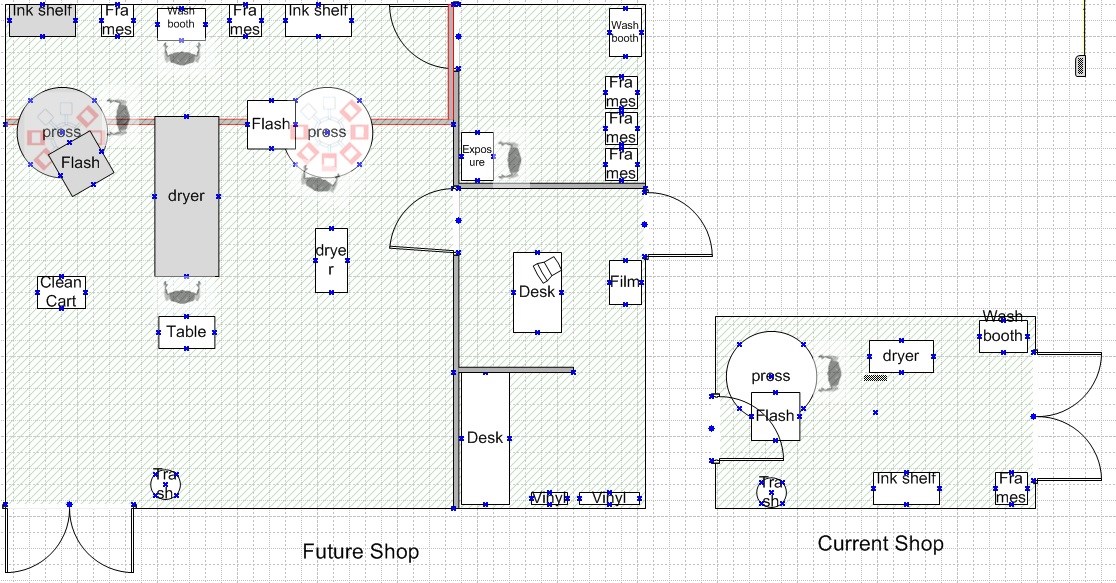
Here’s an example of how challenging it can be to plan print shop square footage.
If you do screen printing and embroidery, you’ll have different space requirements in your shop.
Most automatic screen printing presses require 3,500 square feet for one press and all accompanying equipment.
Embroidery machines can fit into 500 square feet or less (for a 6-head machine).
The measurements of the equipment you’re intending to purchase are good guides for estimating floor space. You can find these measurements from your sales rep, or even directly on the equipment’s product page.
Dimensions for the different ROQ YOU automatic presses.

How Printavo helps during a move
Printavo is production-first shop management software for apparel decorators, connecting quoting, approvals, scheduling, invoicing, and payments. Shared production statuses and due dates show which jobs must finish before the move, and automations can send customers order and pickup updates by email or SMS (5 on Lite, 15 on Standard, 30 on Premium).
Video: renting vs. buying your building
Here’s a deep dive on buying vs. leasing from a previous Print Hustlers Podcast episode with Dru Dalton from Real Thread. He shares the challenges print shops have to overcome. And we talk about the big questions you need to ask yourself, like “What do you invest in? Real estate or the business?
FAQ
How long does it take to move a screen printing shop? Plan for several weeks of preparation and a few days of reduced production, depending on how much heavy equipment you move.
Can I keep printing during the move? Yes, if you move one production line first and reconnect it before moving the rest.
Do I need special power for screen printing equipment? Dryers, flash units, and some automatic presses need dedicated circuits and sometimes three-phase power. Check with an electrician before signing a lease.
Is it better to rent or buy? It depends on your growth, cash flow, and how sure you are of your long-term space needs.
Related guides
- Buying an automatic screen printing press
- Screen printing machines FAQ
- Print shop production scheduling
Keep every order on schedule, wherever the shop is. Try Printavo free for 7 days. No credit card required.